Where to See Gorillas in Uganda
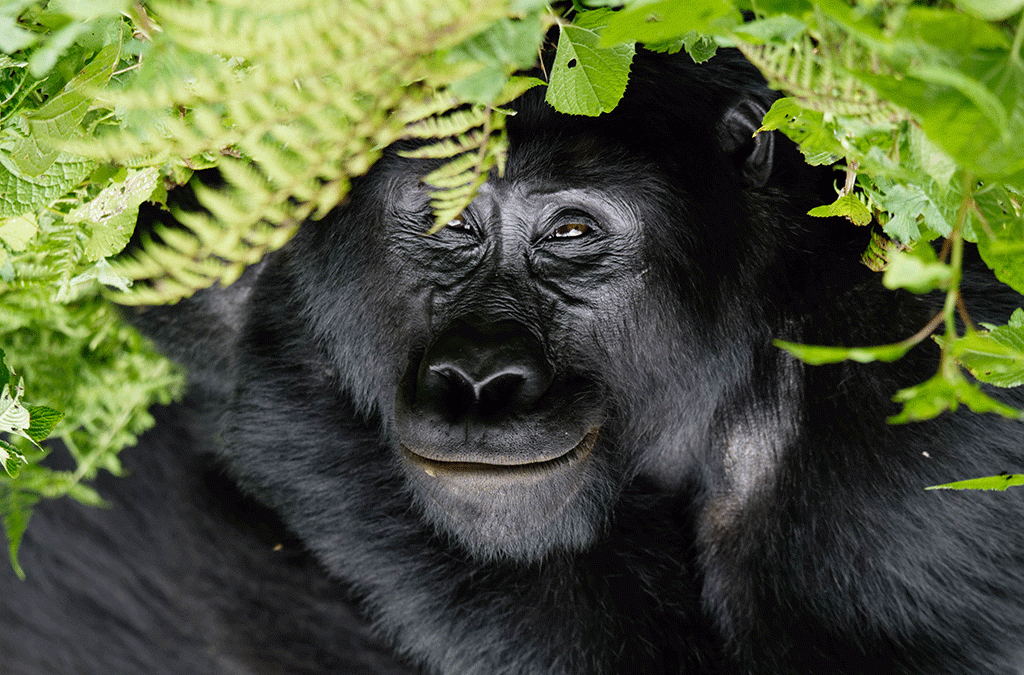
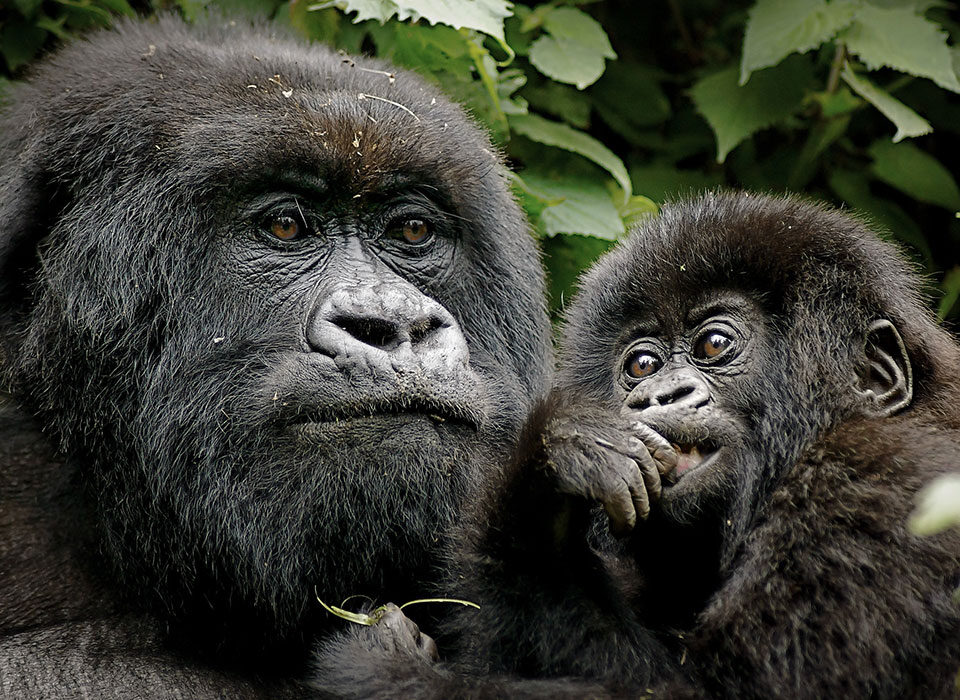
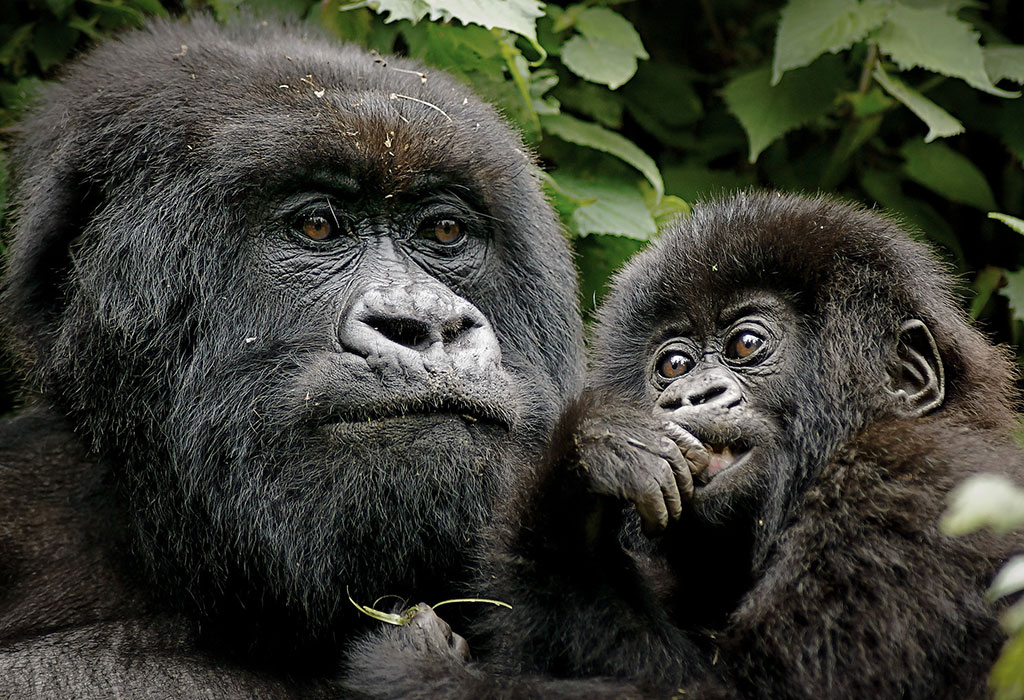
Uganda is one of the few places on Earth where you can come face to face with endangered mountain gorillas in their natural habitat. Known as the “Pearl of Africa,” this beautiful country offers not only extraordinary wildlife but also breathtaking landscapes, rich cultures, and warm hospitality. Gorilla trekking in Uganda is more than a safari activity — it is a powerful, once-in-a-lifetime encounter that connects you deeply with nature.
If you are planning a gorilla safari, this guide will help you understand exactly where to go, what to expect, and how to prepare for the experience.
Bwindi Impenetrable National Park: The Heart of Gorilla Trekking
Bwindi Impenetrable National Park is Uganda’s most famous gorilla destination. Located in the southwestern part of the country, this UNESCO World Heritage Site is home to nearly half of the world’s remaining mountain gorillas. The park is characterized by dense rainforest, mist-covered hills, and incredible biodiversity.
Bwindi has more than 20 habituated gorilla families available for trekking, making it the best option for travelers seeking availability and flexibility when booking permits. Because of the number of families, Bwindi offers multiple trekking sectors, each with its own unique experience.
The Four Trekking Sectors in Bwindi
Buhoma Sector
Buhoma is the oldest and most established sector. It is easily accessible and offers a wide range of accommodation options, from budget lodges to luxury eco-lodges. This sector is ideal for travelers who want comfort and convenience.
Ruhija Sector
Ruhija sits at a higher altitude and offers stunning panoramic views. It tends to be quieter, making it perfect for those seeking a more intimate experience in the forest.
Rushaga Sector
Rushaga has the highest number of habituated gorilla families in Bwindi. This increases the chances of securing permits, especially during peak seasons. It also offers the Gorilla Habituation Experience, where visitors can spend up to four hours with a gorilla family.
Nkuringo Sector
Nkuringo is known for its challenging treks and dramatic scenery. The hikes can be steep, but the reward is an incredibly scenic and exclusive experience.
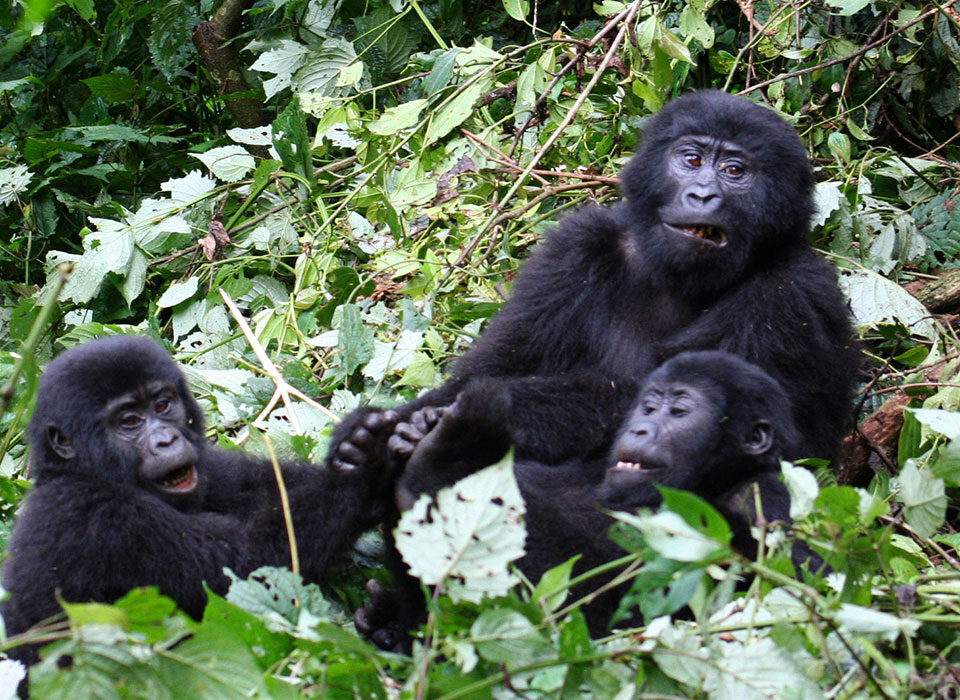
Trekking in Bwindi can take anywhere from two to six hours depending on the location of the gorilla family. Once you find them, you are allowed one magical hour to observe their behavior — watching them feed, groom, play, and interact.
Mgahinga Gorilla National Park: The Scenic Alternative
While Bwindi is the most popular destination, Mgahinga Gorilla National Park offers a quieter and equally rewarding experience. Located in the Virunga Mountains at the border of Uganda, Rwanda, and the Democratic Republic of Congo, Mgahinga is Uganda’s smallest national park.
What makes Mgahinga special is its dramatic volcanic scenery. The park is surrounded by three extinct volcanoes that create a breathtaking backdrop for gorilla trekking.
Unlike Bwindi, Mgahinga has one habituated gorilla family — the Nyakagezi group. This group is known for its mobility and fascinating social structure. Because the park receives fewer visitors, trekking here often feels more exclusive.
Mgahinga also offers golden monkey tracking, volcano hiking, and rich cultural experiences with the Batwa community, making it an excellent option for travelers seeking diversity in their adventure.
Gorilla Trekking Permits in Uganda
To see gorillas in Uganda, you must obtain a gorilla trekking permit from the Uganda Wildlife Authority. Permits are limited each day to protect the gorillas and their habitat.
Currently, a gorilla permit costs USD $800 per person (subject to change). The permit includes park entry fees and one hour with a habituated gorilla family.
Because permits sell out quickly — especially during peak seasons — it is advisable to book several months in advance. Working with a reputable tour operator ensures your permit, accommodation, and transport are arranged smoothly.
Best Time to See Gorillas in Uganda
Gorilla trekking is available year-round, but the dry seasons are generally considered the best time to visit. These months include June to September and December to February.
During the dry season, forest trails are less slippery and trekking conditions are more manageable. However, Uganda’s rainforests remain lush and beautiful even during the rainy seasons. Some travelers prefer the low season because there are fewer tourists and landscapes are greener.
Regardless of when you travel, mountain gorillas can be tracked any time of the year.
Why Choose Uganda for Gorilla Trekking?
Uganda offers several advantages for travelers interested in gorilla safaris.
First, it provides excellent value compared to neighboring Rwanda, where permits are significantly more expensive. Second, Uganda has a larger number of gorilla families, increasing availability and flexibility.
Beyond gorillas, Uganda offers diverse safari opportunities. You can combine your gorilla trek with chimpanzee tracking in Kibale Forest, a classic wildlife safari in Queen Elizabeth National Park, a boat cruise along the Kazinga Channel, or relaxation at the scenic Lake Bunyonyi.
Uganda also provides meaningful cultural encounters. Visiting local communities and learning about traditional lifestyles adds depth to your journey.
What to Expect During the Trek
Gorilla trekking begins early in the morning with a briefing from park rangers. Visitors are assigned to specific gorilla families based on fitness level and group size. After entering the forest, experienced trackers guide you through thick vegetation in search of the gorillas.
The trek can be physically demanding. You may hike through muddy trails, dense foliage, and steep slopes. Hiring a porter is highly recommended, as they assist with carrying bags and provide support on challenging terrain.
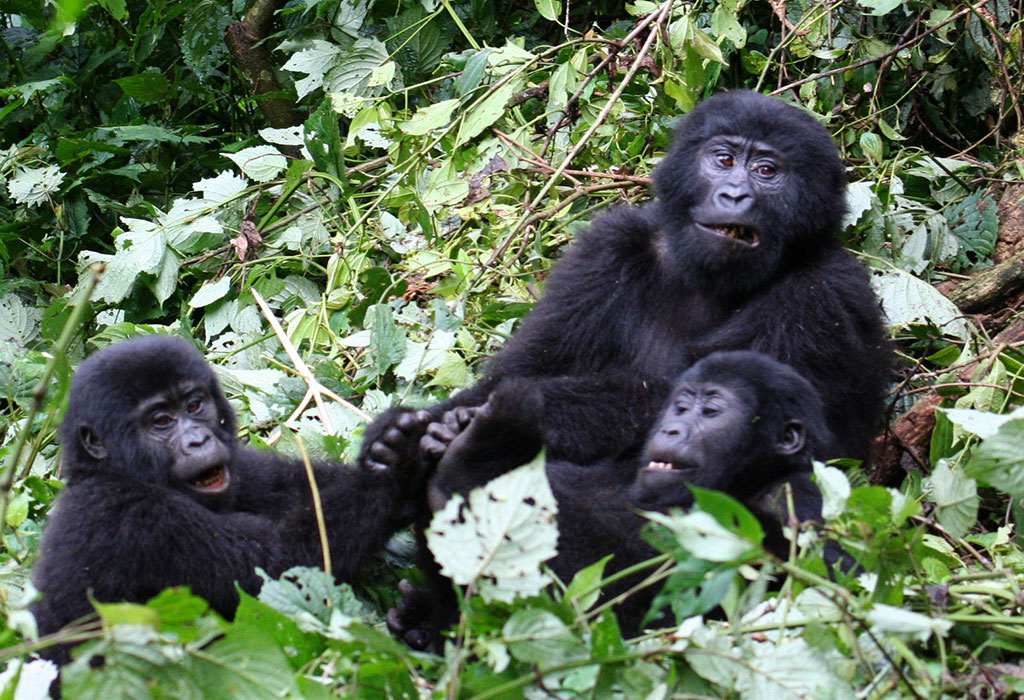
When the gorillas are located, you will spend one hour observing them from a safe distance of about seven meters. This moment is often described as emotional and life-changing. Seeing a silverback up close or watching young gorillas play in the forest is an unforgettable experience.
Responsible and Sustainable Tourism
Gorilla tourism plays a vital role in conservation. Permit fees contribute to protecting the gorillas, supporting park management, and benefiting surrounding communities. Strict guidelines are followed to minimize human impact on the animals.
Visitors must maintain distance, avoid flash photography, and follow ranger instructions at all times. By choosing responsible tour operators and respecting conservation rules, travelers help ensure that mountain gorillas survive for future generations.
Final Thoughts
Uganda stands as one of the best destinations in the world for gorilla trekking. Whether you choose the dense, biodiverse forests of Bwindi Impenetrable National Park or the dramatic volcanic landscapes of Mgahinga Gorilla National Park, you are guaranteed a remarkable wildlife experience.
Seeing mountain gorillas in their natural habitat is not just about ticking an item off your travel list — it is about witnessing one of the rarest and most powerful wildlife encounters on Earth.
If you are dreaming of a safari that combines adventure, conservation, culture, and breathtaking scenery, Uganda is the perfect place to begin your journey.